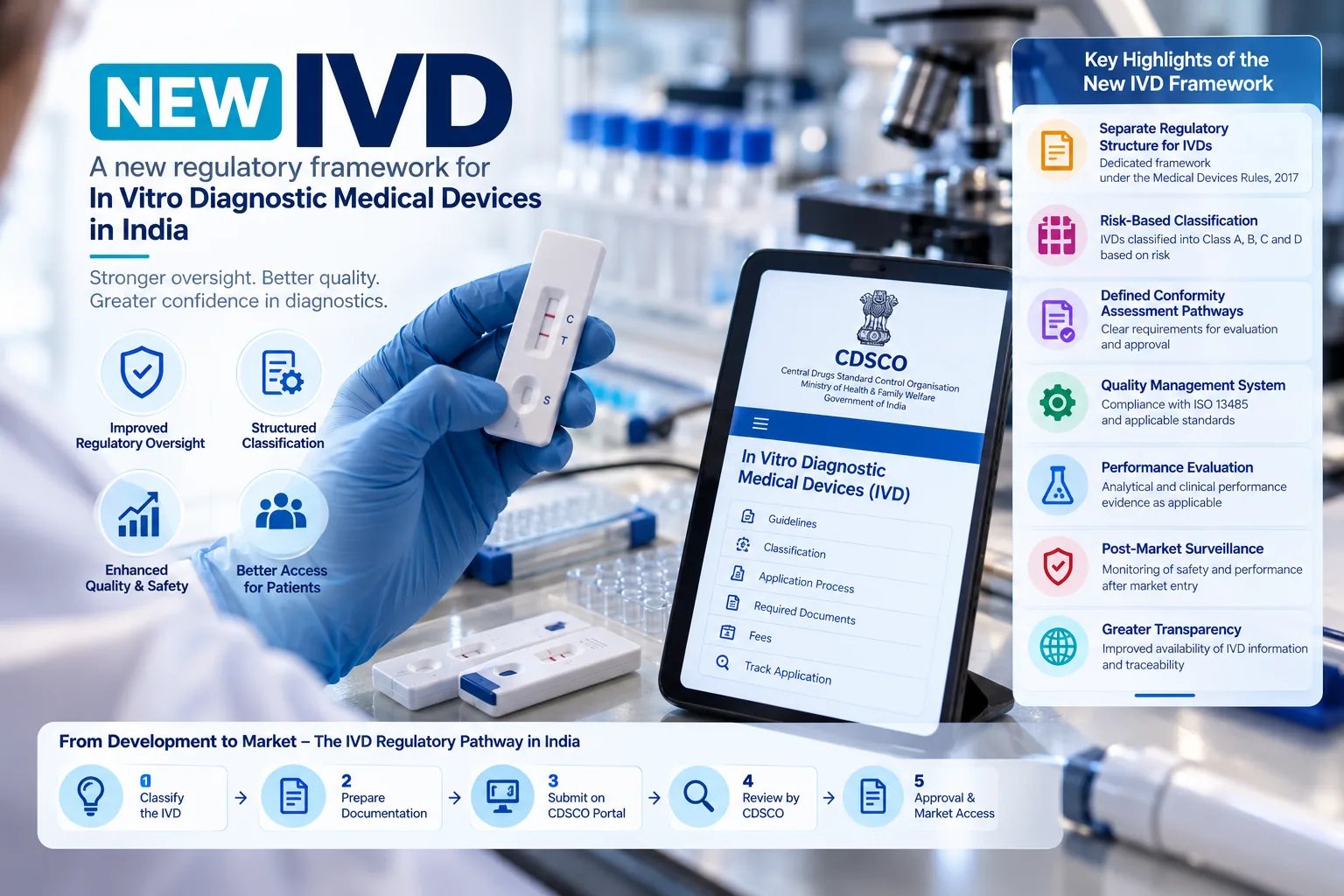
In India, the form for obtaining permission to import or manufacture a new In-Vitro Diagnostic (IVD) medical device is MD-28. Here’s an overview of the process and related forms:
Key Forms
- MD-28: The application form submitted to the Central Licensing Authority (CLA) seeking permission to import or manufacture a new IVD.
- MD-29: The permission letter issued by the CLA, granting approval for importing or manufacturing the new IVD.
The Application Process
- Clinical Performance Evaluation (if required): For new IVDs without a predicate device, clinical performance studies might be needed. You may need to apply for Form MD-24 to get permission for the study and Form MD-25 for protocol approval.
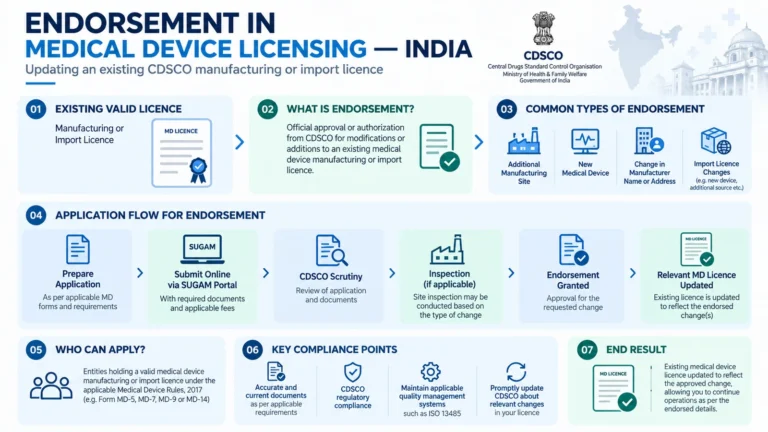
- MD-28 Submission: Submit the MD-28 application through the Sugam portal, along with:
- Device information (classification, intended use, etc.)
- Technical documentation
- Clinical performance evaluation data (if applicable)
- Manufacturing details
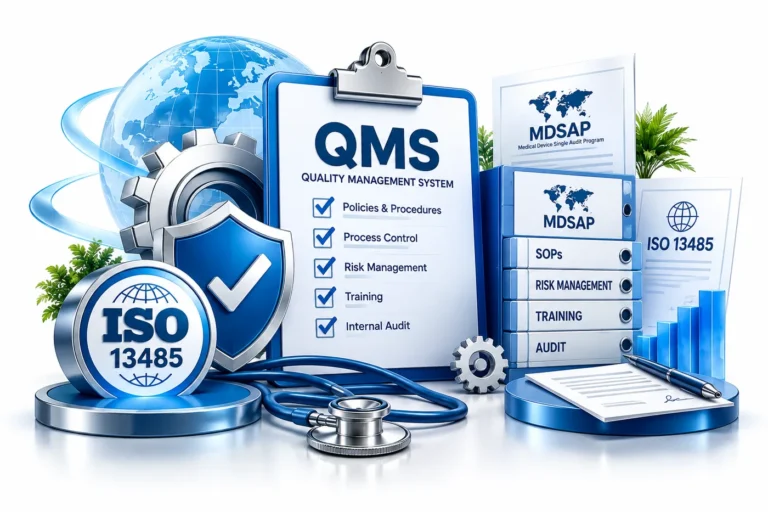
- Certifications (like ISO 13485 for your quality management system)
- Declarations and proofs
- CDSCO Review: The CDSCO reviews the application and supporting documents.
- MD-29 Issuance: If the application is approved, the CLA grants permission in the form of MD-29.
Additional Notes
- The process can vary slightly depending on the specific IVD device and its classification.
- The CDSCO website (https://cdsco.gov.in/opencms/opencms/en/Home/), has further details and guidance documents.
- It’s recommended to seek assistance from a regulatory consultant specializing in Indian medical device and IVD regulations, as the process can be complex.
MD-28 Form Structure
The exact structure of the MD-28 form can be found on the CDSCO’s SUGAM portal, but here’s the general type of information it typically requests:
- Part I: Applicant and Device Information
- Applicant/Manufacturer Details: Name, address, manufacturing license/wholesale license details, authorized Indian agent details.
- Device Details: Device name, classification, intended use, whether predicate devices exist domestically and internationally, etc.
- Part II: Technical Documentation
- Design and Manufacturing Information: Detailed drawings, materials list, specifications, manufacturing process description.
- Performance and Safety Data: Results of performance testing, analytical and clinical validation data, risk analysis, stability studies.
- Labeling: Specimen/product labels, instructions for use, list of symbols used.
- Part III: Clinical Performance Evaluation (if applicable)
- Study Protocol: If a clinical study was conducted, the detailed protocol would be included.
- Study Report: Comprehensive report summarizing the study results, data, and conclusions on safety and performance.
- Part IV: Quality Management System
- Quality certificates: ISO 13485 or equivalent for the manufacturing facility.
- Process Validation: Documented validation of key manufacturing processes.
- Part V: Additional Declarations and Information
- Declarations of conformity to standards.
- Undertakings regarding post-market vigilance.
- Proof of fee payment.
Key Considerations
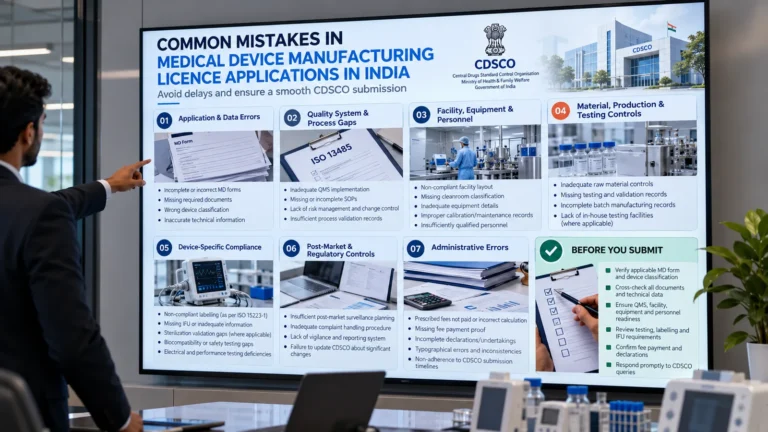
- Data Quality: The success of your application depends heavily on the quality of the data you provide. Ensure your device testing, clinical studies (if applicable), and documentation are rigorous and well-organized.
- Regulatory Classification: IVD devices are classified based on risk. This will influence the level of data required. Consult CDSCO guidance or a regulatory specialist to understand your IVD’s classification.
- Predicate Devices: If a similar IVD (predicate device) already exists in India or internationally, include detailed information for comparison, potentially simplifying the process.
Guidance Resources
- CDSCO Website: The CDSCO website (https://cdsco.gov.in/opencms/opencms/en/Home/) has relevant guidance documents.
- Medical Device Rules, 2017: Search for guidance specific to IVDs.
Professional Assistance
Due to the complexity of the process, and especially if your IVD is high-risk or entirely novel, consider working with a regulatory affairs consultant who specializes in the Indian market. They’ll guide you through:
- Compiling documentation
- Ensuring data meets CDSCO standards
- Optimizing the application strategy