
EU IVDR 2017/746: Compliance Guide for IVD Manufacturers
EU IVDR 2017/746 explained: Annex VIII classification, transition deadlines to 2029, performance evaluation under Annex XIII, Class D obligations and EUDAMED registration.
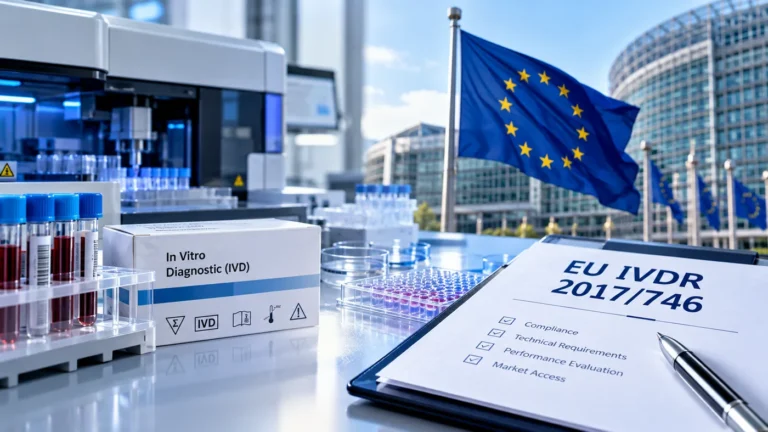
EU IVDR 2017/746 explained: Annex VIII classification, transition deadlines to 2029, performance evaluation under Annex XIII, Class D obligations and EUDAMED registration.
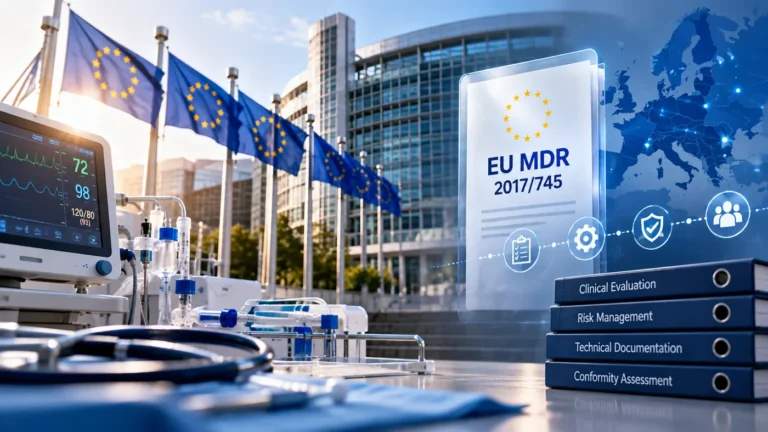
EU MDR 2017/745 explained for non-EU manufacturers: transition deadlines to 2027 and 2028, the 27 November 2026 EUDAMED deadline, Authorised Representative and PRRC duties, and technical documentation.
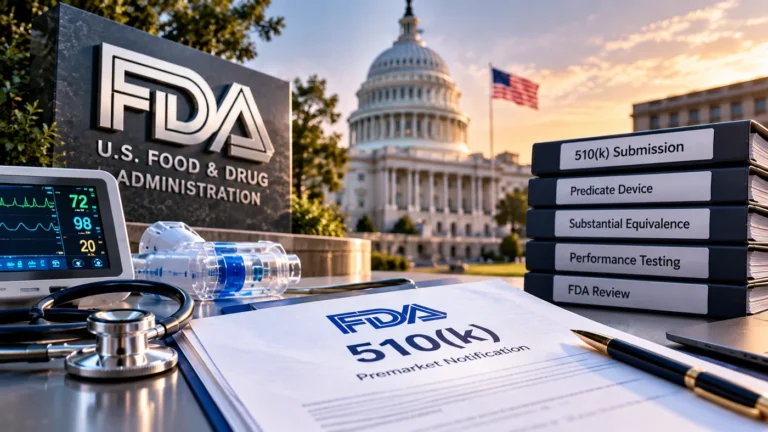
What a US FDA 510(k) actually requires in 2026 – predicate selection, eSTAR, timelines, FY2026 fees, US Agent obligations and the new QMSR – explained by regulatory consultants who file them.
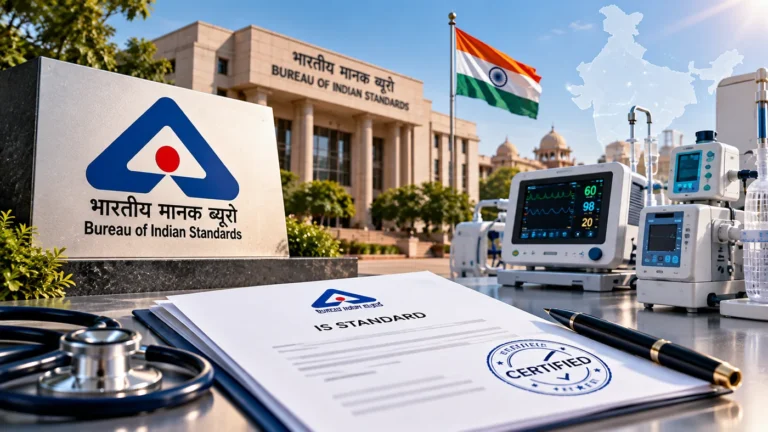
Introduction India’s medical device industry is rapidly evolving, with increasing regulatory focus on quality, safety, and standardization. One of the key regulatory frameworks ensuring product quality is the BIS (Bureau of Indian Standards) certification, commonly known as the ISI Mark. If you are a manufacturer, importer, or distributor of medical devices, understanding BIS requirements is…
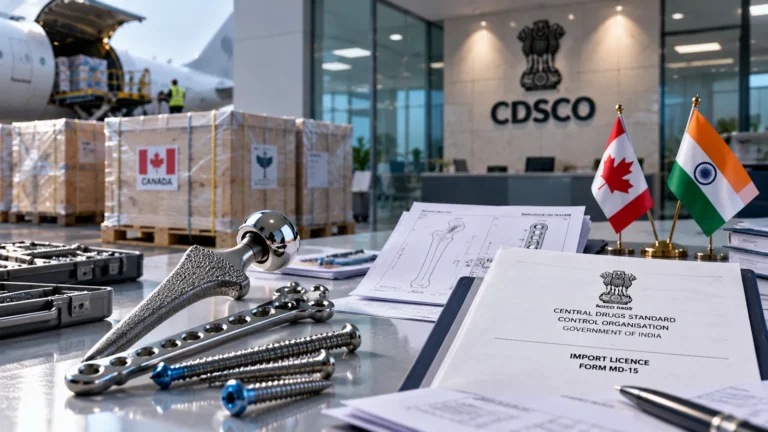
Client Background This case study presents a Canada-based medical device legal and actual manufacturer engaged in the production of orthopaedic trauma implants, specifically trauma plates and screws used in fracture fixation procedures. The product portfolio included multiple models and sizes designed for various anatomical applications. As per the Indian Medical Device Rules, 2017, these devices…
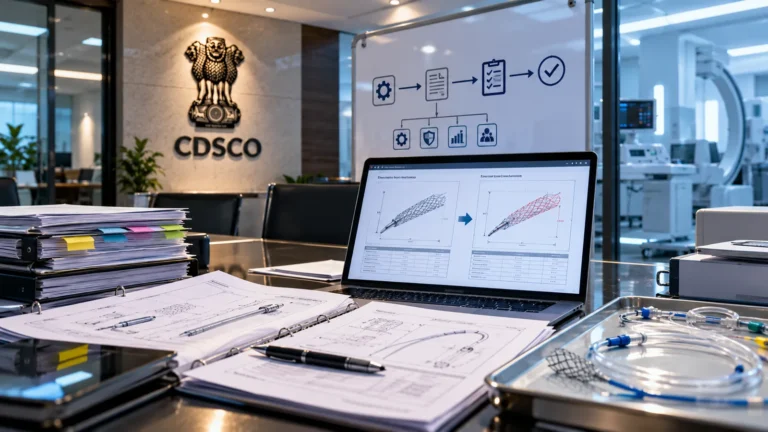
Introduction Medical devices continue to evolve even after they receive regulatory approval. Manufacturers frequently implement improvements such as design refinements, manufacturing updates, labeling modifications, or packaging changes to enhance product performance, ensure quality, and address emerging regulatory or market requirements. However, any modification to an approved medical device must be carefully assessed because even small…
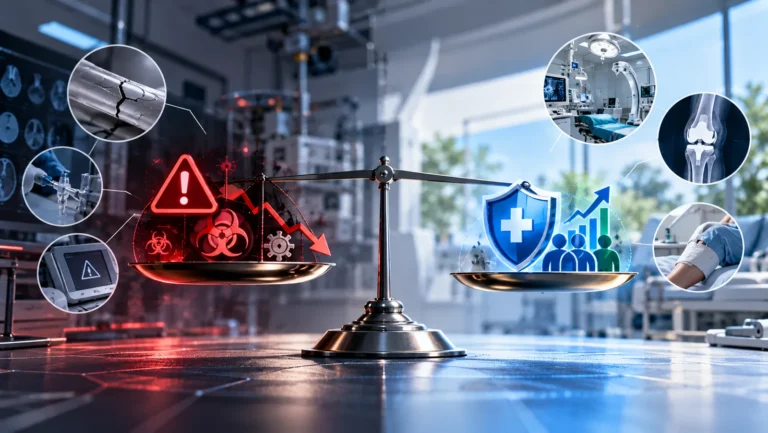
Medical devices play a vital role in modern healthcare, ranging from simple tools like thermometers to complex systems such as pacemakers and MRI machines. While these devices offer immense benefits, they also carry potential risks. Conducting a thorough risk-benefit analysis (RBA) is essential to ensure that a device not only performs its intended function effectively…

The medical device industry in India has undergone significant transformation and growth over the past few years. This growth is partly driven by the regulatory changes introduced by the Central Drugs Standard Control Organization (CDSCO), the national regulatory body for pharmaceuticals and medical devices in India. Among the various regulatory roles and entities, the Indian…
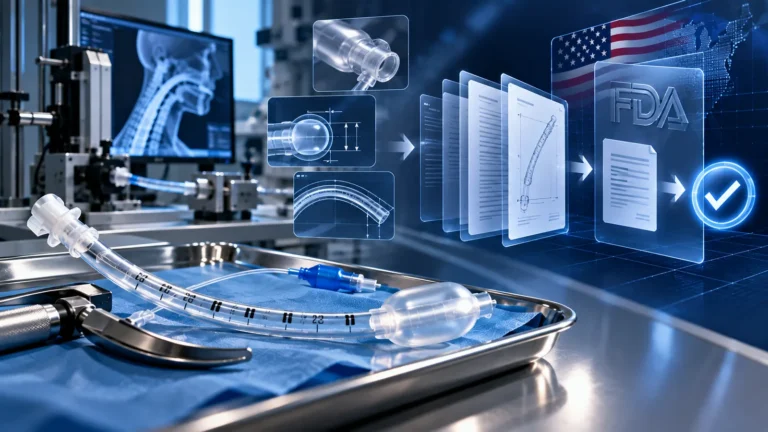
Client Background This case study focuses on a U.S.-based medical device manufacturer specializing in endotracheal tubes. The company operates in a Class 10,000 (Federal Standard 209E Class 7 under ISO 14644-1) clean-room environment and aimed to establish compliance with FDA’s 21 CFR 820 and obtain 510(k) clearance for their endotracheal products. Challenge Faced The primary…